Waste Not, Want Not: Shopping Responsibly in the Circular Economy
Divert NS is not affiliated with any of the brands represented in this post.
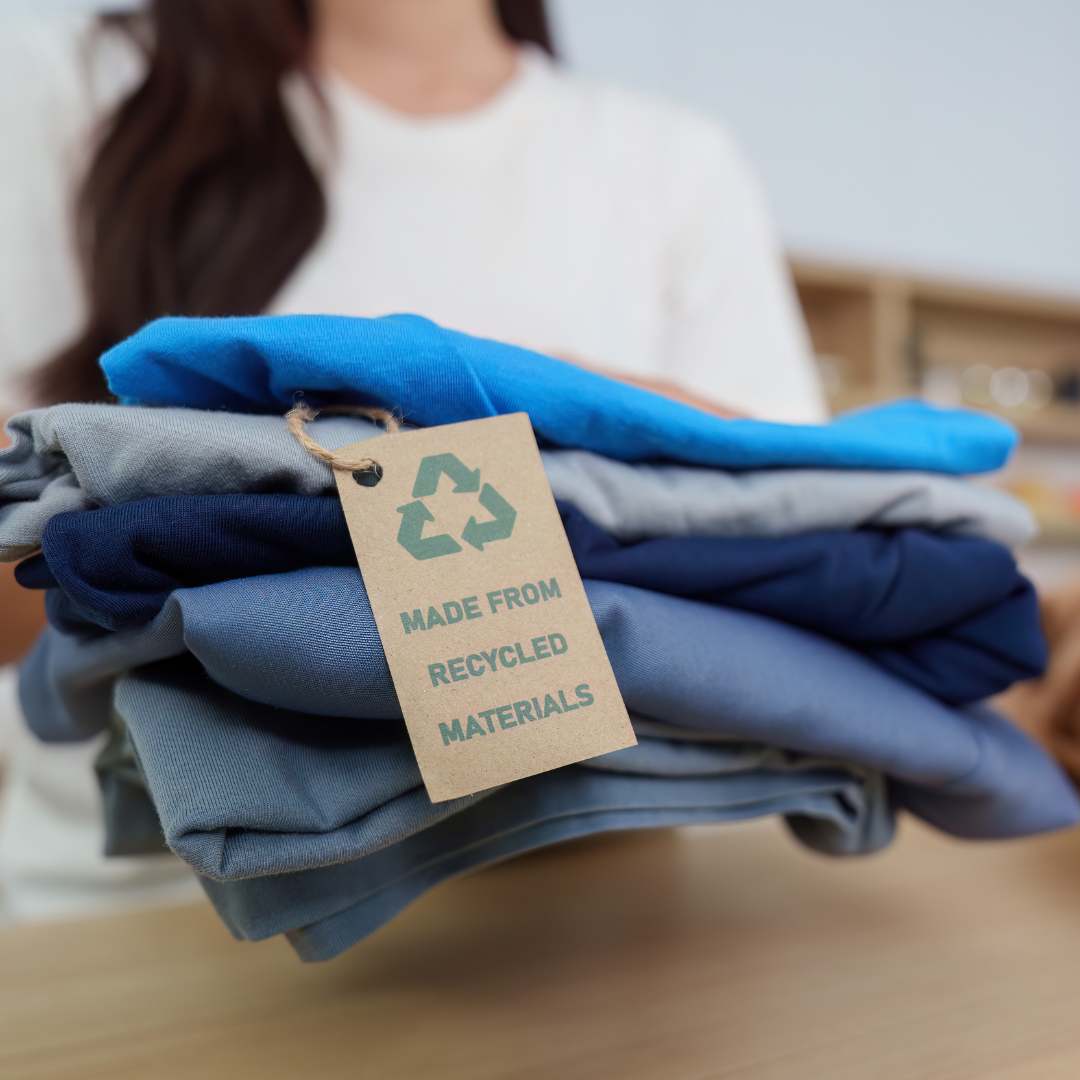
It isn’t always easy to dress yourself in the morning. It’s even more difficult to shop for clothes that aren’t destined for the landfill at the end of their life cycle. The fast fashion industry and consumer demand have led us to adopt a culture of waste, where the clothing we buy has a limited shelf-life in an age of ever-changing fashions and trends.
Thrifting is a great option to buy quality items at low prices, but what if you can’t find what you need at your local shop? A new wave of circular fashion is emerging in North America, where options for high quality, sustainable clothing are increasing.. A movement of clothing upcycling, DIY repair, high-quality resale, and sustainable, renewable fabrics is on the horizon.
Canadian brands like Anián MFG Co. have taken the lead in promoting these beliefs by using only post-consumer recycled wool, canvas, and cotton which is then processed into wardrobe staples such as crewneck sweaters, button up flannels, t-shirts, and accessories. They also encourage repair and tailoring of their items through their repair policies.
Patagonia, the American outdoor clothing brand, has also taken huge strides in promoting circular fashion initiatives. They focus on the use of recycled materials wherever they can, including recycled polyester, sustainability sourced and recycled cotton, recycled down insulation, and reclaimed wool. Patagonia’s Worn Wear is an educational program that operates to teach people how to care for their gear and how to keep it within the circular economy; it focuses on DIY repairs and free lessons in how to do so whilst also operating as an online marketplace where people can buy and sell second-hand Patagonia gear that has been professionally repaired and vetted by the company.
These are just a few examples of clothing companies that consider circular economy and sustainability in the design and business practices. If you find yourself looking to update your wardrobe or shift your fashion sense to a more sustainable ideal, there are numerous resources available to help you do just that. ThredUp has a quiz available that helps you assess your current fashion footprint, analyzing the clothing choices you make and how you can move towards a more sustainable style.
Good on You also has a tool available where sustainable styles can be found, assessing your favourite brands and makers for their sustainability rating. Check out where your favourite brands rank on their sustainability scale.
Fashion Takes Action (FTA) has a wealth of resources available to learn more about sustainable fashion, including links to educational resources that can help your family, friends, and coworkers make informed decisions when buying new and used clothing.
Clothes shopping can be difficult on our wallets and our planet. It doesn’t have to be. If we can invest in ourselves by choosing sustainably made, long-lasting clothing then we can also invest in the health of our circular economies and our environment. By focusing on sustainable fashion instead of the cheap thrills of fast fashion, we can aid in the shift from a linear fashion economy to a circular one.