From Waste to Resource: Circular Learnings from the Netherlands (Part 2)
*This is a multi-part series sharing the experiences and learnings from the recent Canadian Waste to Resource Mission to the Netherlands.
Can landfills be part of the circular economy? That’s one of the questions Canadian delegates found an answer to on day two of the Canadian Waste to Resource Mission in the Netherlands. The day kicked off at the Afvalzorg headquarters, a leading company in sustainable landfill management, focusing on operating landfills, managing landfill gas for energy, and providing international consultancy and training to remediate waste sites into valuable, environmentally sound spaces including recreational areas and nature reserves. One of the most interesting things about the headquarters is that it is situated on top of a closed landfill site. The building serves as an important example of how closed landfill sites can be safely redeveloped for high-value, functional use that gives space back to the community and contributes to a circular economy.
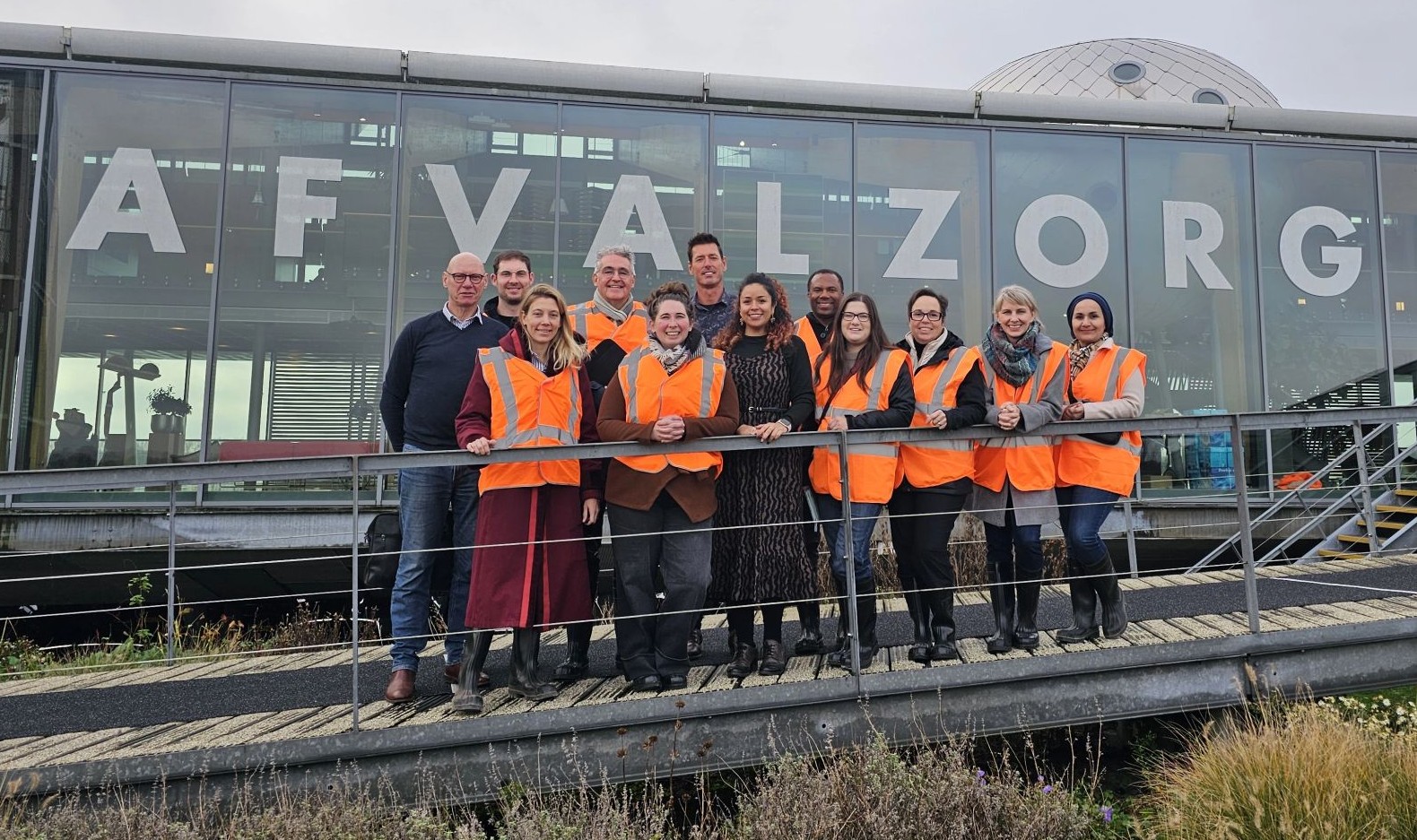
Delegates then headed next door to Blue Phoenix Group. Blue Phoenix Group transforms residual waste streams including incinerator bottom ash, C&D waste, and contaminated soil into valuable resources such as metals and aggregates used in construction. Blue Phoenix has also expanded into North America where they focus on Waste-to-Energy (WtE) ash processing, metal recovery from WtE ash, and secondary aggregates that can be used in civil engineering applications. Blue Phoenix highlighted how they're closing the loop by turning waste into resources.
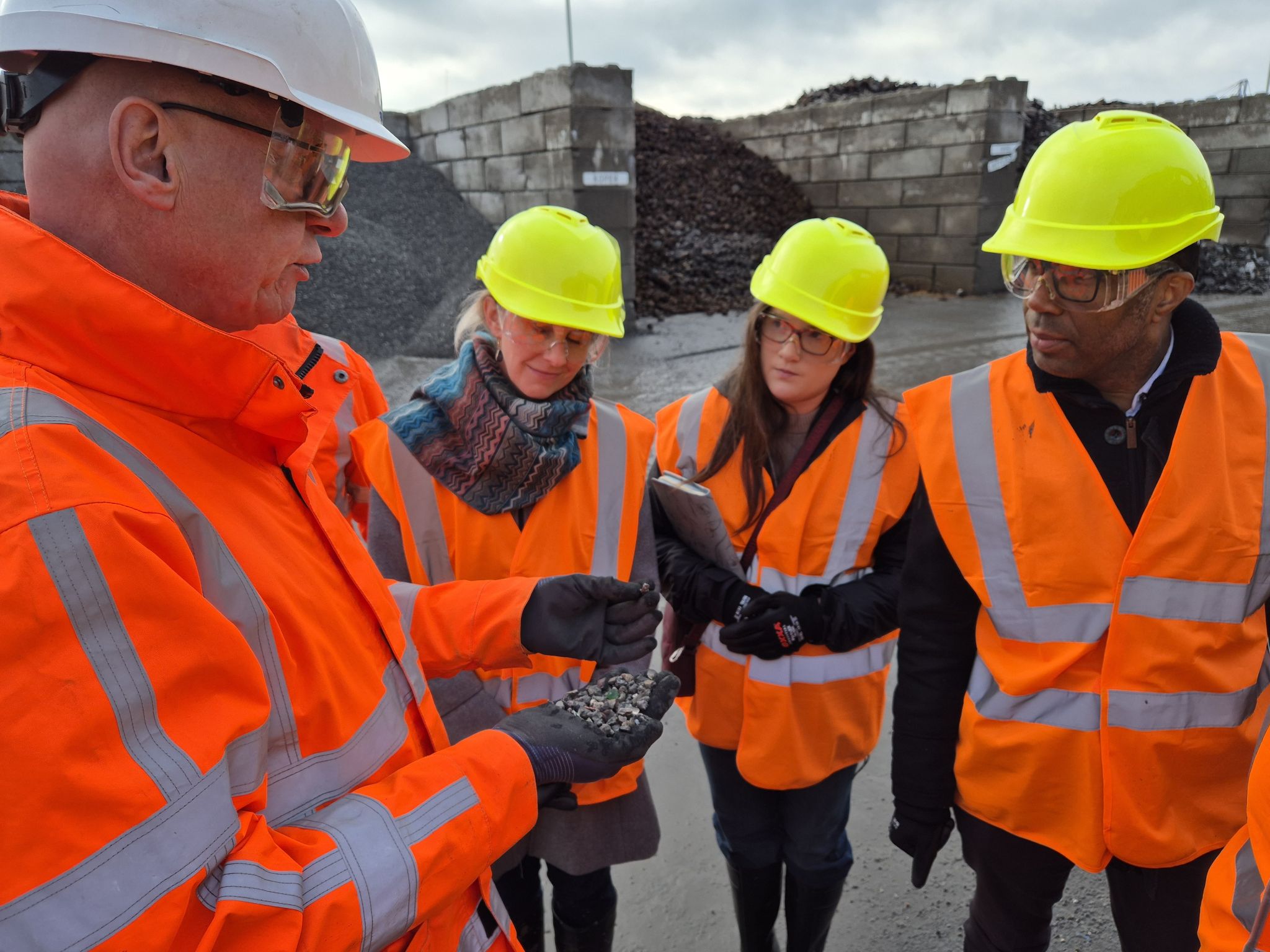
The next day, delegates visited Waste Treatment Technologies (WTT). WTT (also known as Convertus Group in Canada) delivers turnkey solutions for organic waste processing, including composting, anaerobic digestion, mechanical biological treatment (MBT) and drying technologies. Convertus Group is the largest organics processor in Canada, meaning many of the delegates were familiar with the technology. In fact, Convertus Group runs Halifax’s state-of-the-art fully enclosed in-vessel composting site which opened in 2024. While visiting WTT, delegates had the opportunity to tour the company’s mobile composting units, a unique option that offers remote communities with a flexible, cost-effective way to process organic waste locally.
Day three continued with a visit to DeSpray Environmental, a pioneering company specializing in the recycling of aerosol cans. Despray's innovative technology allows for the safe and efficient recycling of 100% of the contents of aerosol cans, including the can, propellant, and residual products. The DeSpray system is built around a shipping container, making it a compact but efficient piece of recycling equipment that only requires one operator.
The final facility tour of the day was at Twence. Twence operates advanced facilities for WtE incineration, biomass processing, carbon capture, and raw material recovery, converting residual waste into electricity, heat, biogas and reusable materials. The tour was an exciting opportunity to learn more about how incineration works in the Netherlands, a practice that is less common in Canada. In the Netherlands, the material that is incinerated is what remains after organic waste, plastic, paper, and glass have been collected and separated. The incineration process generates a lot of energy. Twence converts this energy into sustainable energy: steam, hot water and electricity for the region.
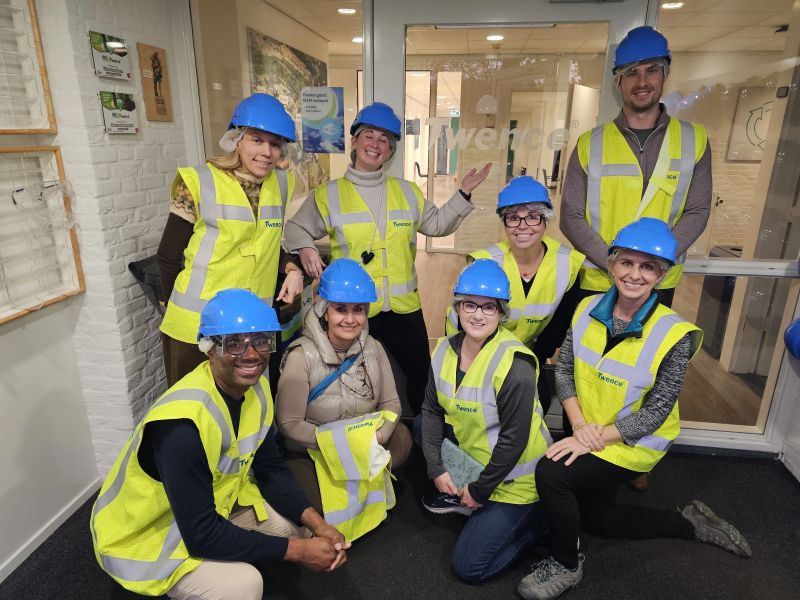
After a whirlwind two days, jam-packed with facility tours, delegates had the opportunity to reflect on how Dutch innovations could be beneficial for the Canadian market. As the momentum for circular economy in Canada continues to build, there is an increasing opportunity for international cooperation with Dutch companies that have proven solutions.
Here are a few key takeaways from days 2 & 3:
· Landfilling is less common in the Netherlands and is only used for waste that cannot be incinerated. The waste in landfills is less bulky, and compaction is not usually required. This creates more ideal conditions for landfill site remediation which is prioritized to give space back to the community.
· The Netherlands continues to set a high standard for recycling and waste diversion with the goal of more high-value recycling and less incineration. However, incineration does play a valuable role in generating electricity, heat, and other valuable materials.
· Waste is truly a resource, even the bottom ash that comes out of the incinerator is being processed into a valuable resource for the construction industry.
That’s a wrap on days 2 & 3! Check back soon for the third and final part of the Waste to Resource series.
*The mission was made possible thanks to the Netherlands Enterprise Agency with the support of the Consulate General of the Netherlands in Toronto, The Waste Not Spot, and MetaSus.