Animal milk and animal milk products*
Soya beverage products
Rice beverage products
Meal replacement beverages (only those clearly labeled as a “Meal Replacement”)
Formulated liquid diets ** (only those clearly labeled as a “Formulated Liquid Diet”)
Liquid foods for low energy diets **
All baby formulas
All beverage concentrates (require water or other beverage mix to dilute before drinking)
Wine making kits
All non-alcoholic beverages in containers 5-litres or greater
All “Return for Refund” labeled containers not purchased in Nova Scotia
* If milk is listed as the first ingredient, it is exempt from the program
**Typically physician-prescribed and impact clinical outcome
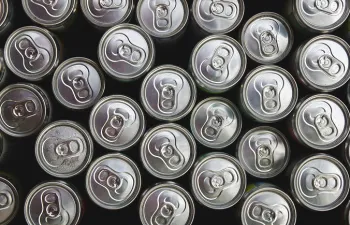
Aluminum is a lightweight, durable metal and is one of the most valuable and efficiently recycled materials in our system. Approximately 58% of the material Divert NS collects through the beverage program each year is aluminum and 84% of aluminum cans purchased in Nova Scotia are recycled, which is more than 250 million cans each year.
Juice
Health, energy, and diet drinks
Pop/soft drinks
Alcohol
Empty and rinse
Do not crush or flatten
Leave tab on
Collected cans are baled at the Divert NS processing facility and then sent off to be shredded, melted, and remade into new aluminum cans, which can be back on the shelf in just 60 days, ready to use again! Plus, aluminum can be recycled infinitely without losing quality.
Using recycled aluminum requires 95% less energy than producing new aluminum.
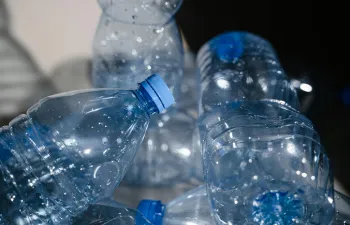
The two main types of plastic collected are Polyethylene terephthalate (PET) and High-density polyethylene (HDPE). These containers make up approximately 35% of the material collected through our program and of all the plastic beverage containers sold in the province, approximately 76% are returned, which is more than 150 million containers each year.
Juice
Health, energy, and diet drinks
Pop/soft drinks
Alcohol
Mini sip bags
NO refund on milk or milk products
NO refund on meal replacements
Empty and rinse
Leave caps on
Leave labels on
Returned plastic containers are cleaned and shredded into pellets or flakes, which are then sold to various manufacturers in North America who use them to create new plastic products such as new bottles, clothing, building materials, and electronic components.
Recycling plastics uses about 1/3 less energy than manufacturing new plastic.
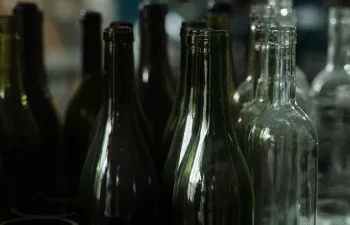
Glass bottles are made from natural materials like sand, soda ash, limestone, and cullet (recycled glass). Of all the program glass bottles sold in NS, approximately 73% are returned, which is more than 19 million containers every year. Glass containers represent approximately 4% of the total containers collected by Divert NS.
Juice
Health, energy, and diet drinks
Pop/soft drinks
Water
Alcohol
Empty and rinse
Leave labels on
Do not return broken glass
When you drop off your glass bottles at an Enviro-Depot, they are sorted into large totes, transported to the Divert NS processing facility, and then collected by Miller Waste Systems, located in Truro, NS. At their site, Miller Waste crushes the glass into small pieces called cullets, which are then marketed and used for various construction and landscaping applications.
Approximately 73% of glass bottles sold in NS are returned, which is, on average, more than 19 million bottles per year.
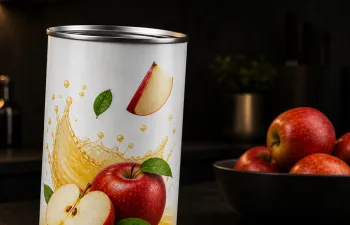
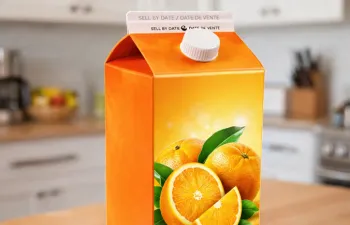
Coated "gable top" drink cartons are made from paper and plastic. The name Gable Top comes from the fold at the top which looks like a gable end of a house. Divert NS recycles almost 2 million gable top containers every year.
Juice
Health, energy, and diet drinks
NO refund on milk, soya, or rice drinks
Empty and rinse
Do not crush of flatten
Once returned, gable top cartons are baled and then sent to a specialized processor where they separate the paper from the plastic. The paper fibre is turned into pulp and put to use again in paper products, such as tissue, toilet paper, and cardboard.
For every ton of paper pulp recycled, approximately 17 trees are saved.
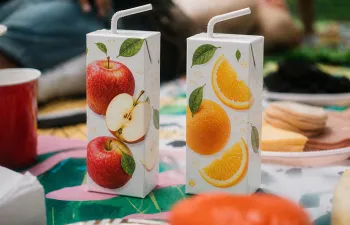
Tetra, or Poly-coat containers are made from layers of materials, including paper, plastic, and sometimes aluminum, which are all laminated together. Divert NS recycles over 8 million tetra containers each year, which makes up approximately 2% of the material collected.
Juice
Health, energy, and diet drinks
NO refund on milk, soya, or rice drinks
NO refund on milkshakes
NO refund on concentrates
Empty and rinse
Do not crush or flatten
Once returned, poly-coat containers are baled and then sent to a specialized processor where they separate the paper, plastic and foil. The paper fibre is turned into pulp and put to use again in paper products, such as tissue, toilet paper, and cardboard. Any other material recovered like plastics are also recycled if they can be reclaimed.
For every ton of paper pulp recycled, approximately 17 trees are saved.
Steel, or bi-metal containers, are made with a thin coating of tin or other metals that protect the contents and prevent rusting. Over 300,000 steel containers are recycled yearly, making up a very small portion (0.1%) of the materials collected through the deposit-refund program.
Juice
Health, energy, and diet drinks
NO refund on food cans
NO refund on meal replacements
Empty and rinse
Do not crush or flatten
Leave labels on
Upon return, steel containers are baled and then shipped to a recycler where they are milled into steep billets (rectangular or square bars) and then repurposed into new products, such as construction bars, rods, and wires.
Every ton of recycled steel saves 2,500 pounds of iron ore.