From Waste to Resource: Circular Learnings from the Netherlands (Part 3)
From Waste to Resource: Circular Learnings from the Netherlands
*This is the final part of a three-part series sharing the experiences and learnings from the recent Canadian Waste to Resource Mission to the Netherlands.
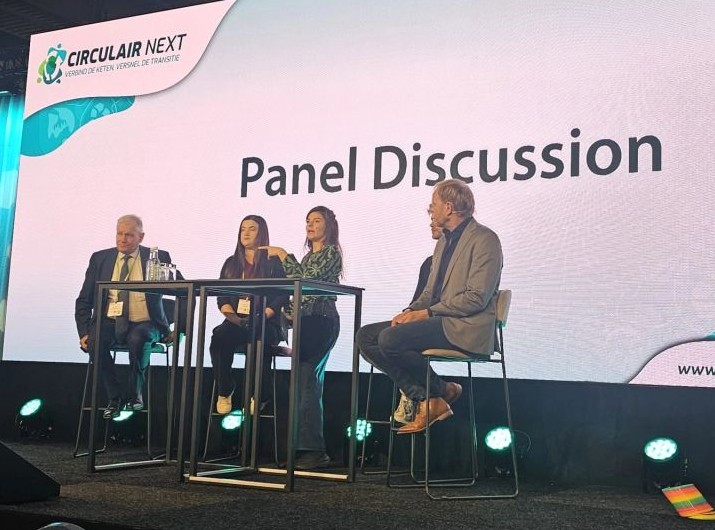
As part of the Canadian Waste to Resource Mission to the Netherlands, delegates explored how Dutch organizations, businesses and governments are advancing circular economy solutions through innovation, collaboration and policy. One of the mission's highlights was a visit to the Recycling and Circulair Next annual trade fair for waste management and sustainability professionals. The event showcased cutting-edge sustainable recycling technologies while also focusing on accelerating the transition to a circular, zero-waste economy. During the event, Divert NS Business Development Officer, Sasha Barnard, was invited to speak on a panel titled "International Waste and Circular Economy Cooperation and Practice." Sasha shared a brief overview of circular economy in Canada for the Dutch audience, discussed challenges in advancing the circular economy, and provided examples of circular business models that are growing in Canada.
Delegates then participated in the “Netherlands meets Canada” international matchmaking event. This was an opportunity for professionals from both countries to connect and discuss opportunities to expand circular business models. After making meaningful connections, delegates moved over to the trade fair floor to talk to businesses showcasing innovations, many of which that have the potential to be implemented in Canada.
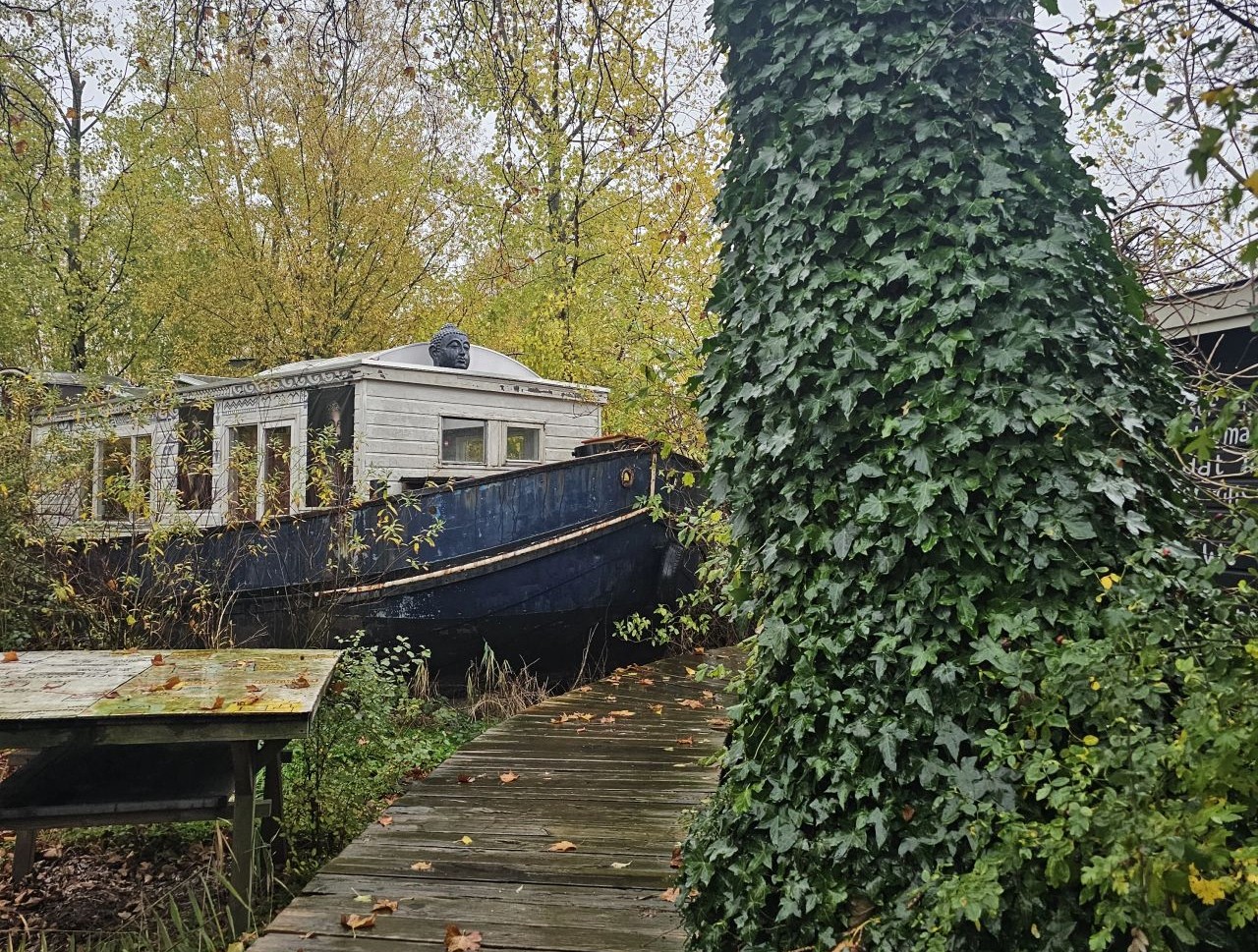
On the final day of the mission, the delegates headed to De Ceuvel. De Ceuvel is the site of a former contaminated shipyard. In 2012, the Municipality of Amsterdam created a competition challenging firms to put forward their best ideas for how the land should be used. The winner would receive a 10-year lease on the land. The winning group has transformed the site into a regenerative urban oasis using upcycled houseboats as offices and applying clean tech like phytoremediation (plant-based soil cleaning) to revitalize the land. It is a living lab for sustainability, featuring energy-independent buildings, closed-loop water systems, and a vibrant community of creative and eco-focused businesses. De Ceuvel has been incredibly successful, bringing life back to this former contaminated shipyard, causing the municipality to extend the land lease. As of this year, the municipality is in discussions with De Ceuvel about cooperative development of the land to include affordable housing and a bike path.
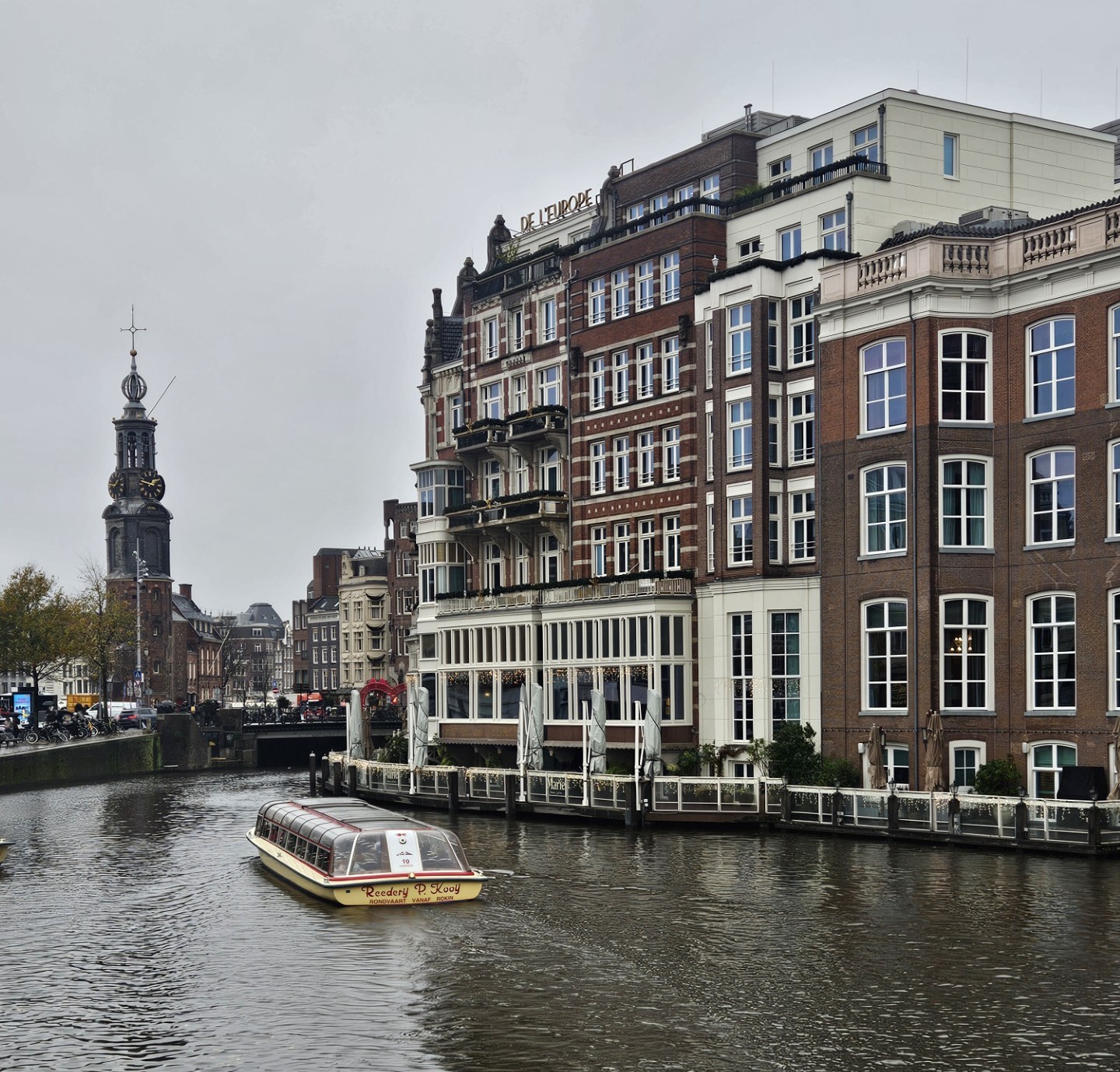
The final highlight of the trip was a canal boat tour through Amsterdam, a fantastic way to experience the city while reflecting on the mission. Overall, the Canadian Waste to Resource Mission to the Netherlands was both inspiring and highly productive. Even in a short visit, it is clear why the Netherlands is recognized as a global leader in the transition to a circular economy. It was also important to understand that Dutch companies are increasingly looking beyond Europe for growth, opening the door for international collaboration. Nova Scotia, with its strong shipping connections to Europe through the Port of Halifax, stands out as an ideal hub for pilot projects and technology transfer. There are also apparent opportunities for infrastructure partnerships, particularly with municipalities seeking to modernize waste management systems through innovative solutions offered by companies such as Waste Treatment Technologies and DeSpray. Ultimately, the mission helped develop meaningful connections that will help drive progress in advancing sustainable, circular solutions in Canada.
Key takeaways:
- Circularity is not a niche concept in the Netherlands; it is an integrated approach that is embraced by both public and private sectors.
- In the Netherlands there is an effort to make the sustainable choice be the commonsense choice, this is especially evident in emphasis on material reuse.
- The Netherlands has a national circular strategy with clear targets, creating an even playing field for businesses operating within the country.
- Procurement is an accessible and immediate way for governments to support the circular economy.
*The mission was made possible thanks to the Netherlands Enterprise Agency with the support of the Consulate General of the Netherlands in Toronto, The Waste Not Spot, and MetaSus.