From Waste to Resource: Circular Learnings from the Netherlands (Part 1)
*This is a multi-part series sharing the experiences and learnings from the recent Canadian Waste to Resource Mission to the Netherlands.
According to a 2021 report conducted by the Council of Canadian Academies, 73% of our resources in Canada are lost to disposal. The same report shared that Canada’s circularity rate, the percentage of the economy’s material needs that are met using recycled or recovered materials, is only 6%. To meet Canada’s environmental goals and emissions targets, our circularity rate needs to improve. This can be accomplished by building circular systems of production and consumption that keep resources in use instead of wasting them, in other words, we need a circular economy.
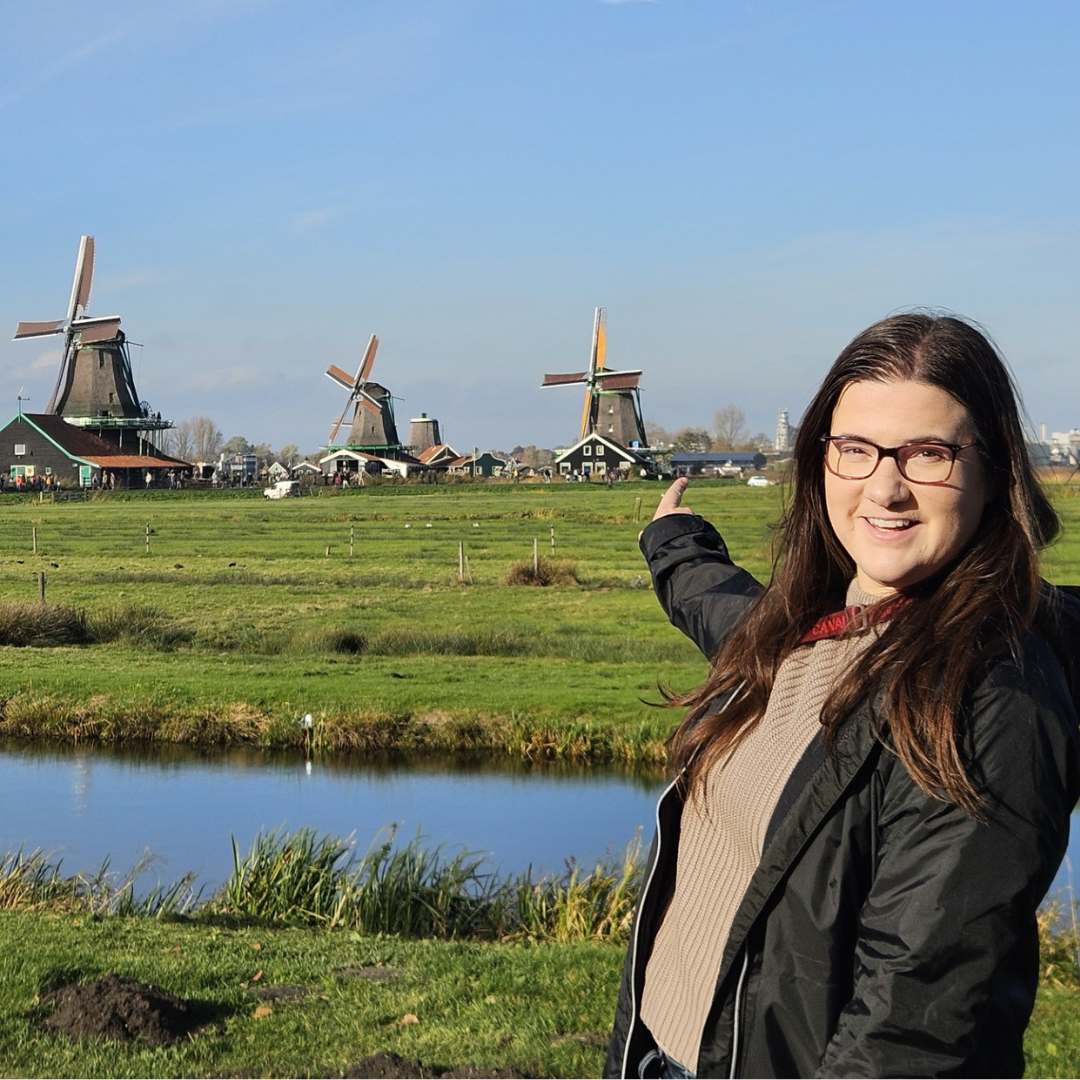
To learn more about this, Divert NS Business Development Officer, Sasha Barnard, was selected, along with other Canadian delegates, to participate in the “Canadian Waste to Resource Mission,” in the Netherlands. The Netherlands is a world leader in circularity with an impressive recovered materials use rate of over 30%. The Canadian delegation had the opportunity to see first-hand how Dutch cities and regions integrate the circular economy into daily life with the goal of taking that expertise back to Canada.
On the first day of the mission, delegates spent the morning in The Hague learning about the history of waste management and circular economy in the Netherlands. The morning included presentations from staff at the Municipality of Utrecht and Rijkswaterstaat. Rijkswaterstaat is the executive agency of the Ministry of Infrastructure and Water Management that leads their national circular economy policy and innovation. During the first presentation, delegates learned about the Dutch government’s ambitious goal of having a 100% circular economy by 2050. A tool to move that goal forward is the newly adopted Circular Materials Plan which helps governments and companies transition to a circular economy by linking policy and practice. The presentation that followed focused on circular procurement as a lever for governments to stimulate and support the circular economy. Finally, delegates learned about circular initiatives happening within the Municipality of Utrecht. An exciting example in circular development and construction in Utrecht is called Wildgroei, a green neighbourhood featuring 63 biobased homes, edible gardens, and 289 wildlife habitats.
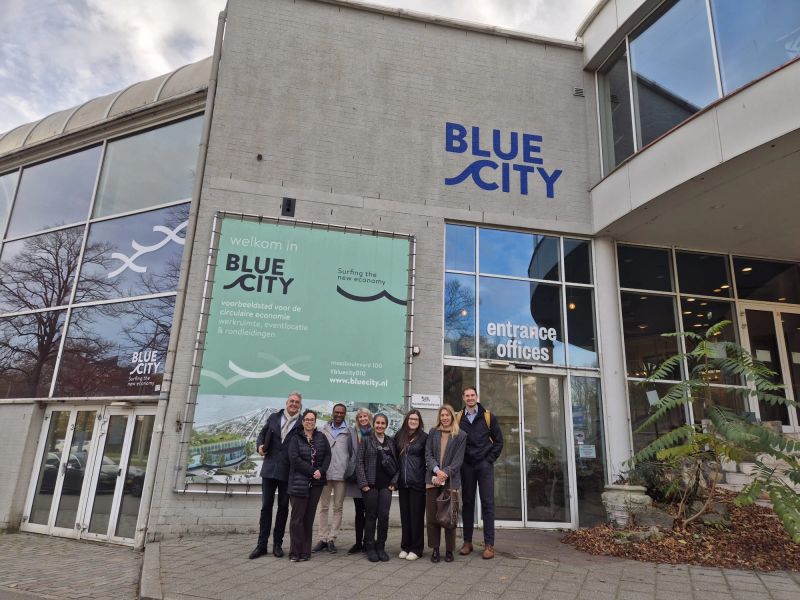
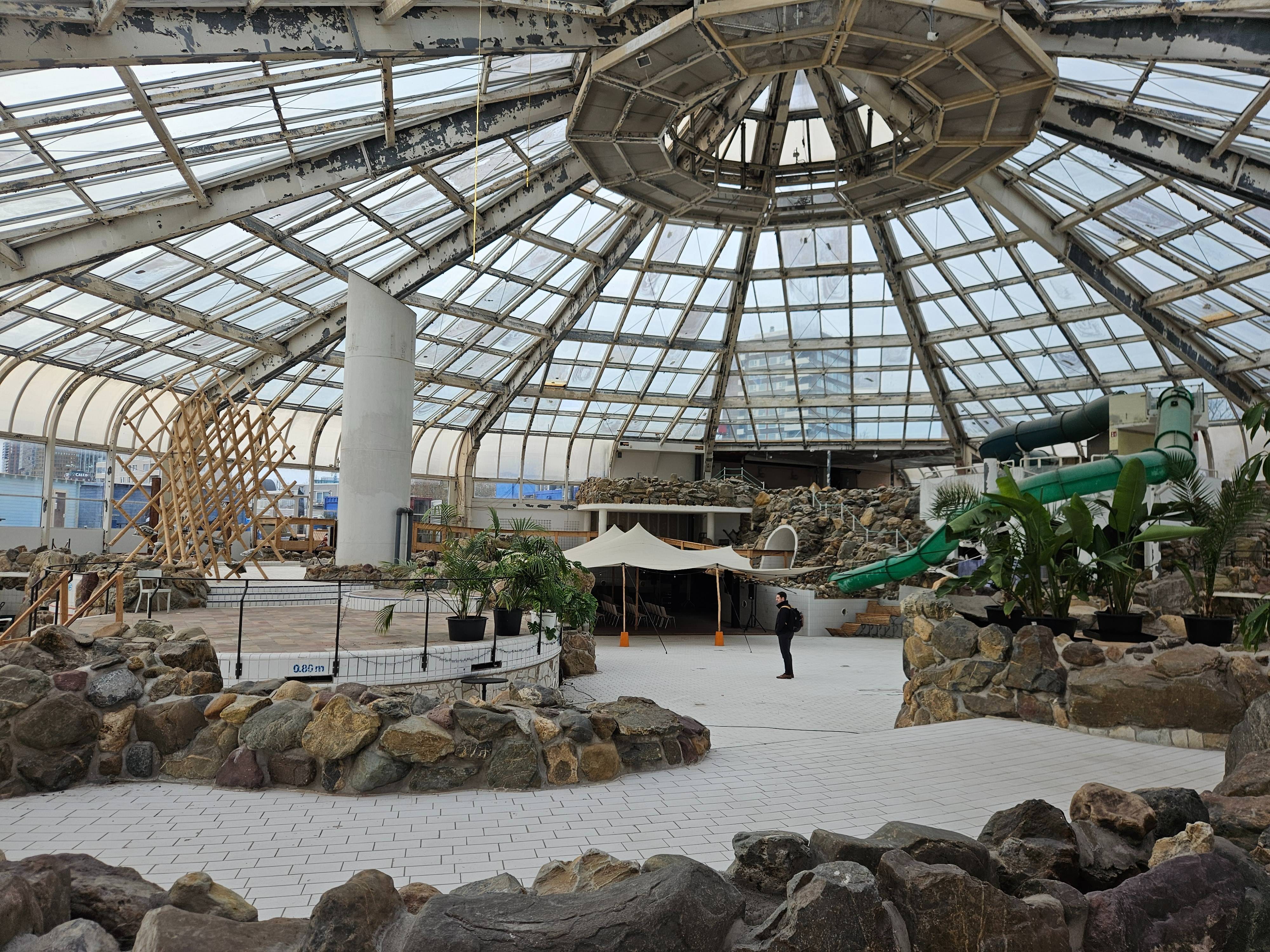
Delegates then travelled to the city of Rotterdam to witness circular entrepreneurship in action at BlueCity. BlueCity is the home of a former swimming pool turned hub for circular innovation. Here, delegates learned about the blue economy, a similar concept to the circular economy but where the waste from one product or system can be used as the input for another, creating a collaborative zero-waste approach. 55 entrepreneurs currently work out of BlueCity where they have office space, lab access, and resource support to scale their innovations. At BlueCity, they say collaboration is the new competition, sharing an example with delegates about a company called Rotterzwam that grows mushrooms on coffee grounds. Those mushrooms are then used to make beer at Vet & Lazy, and the wastewater from the beer production is used by Outlander Materials to make an alternative to single-use plastic, creating a impressive circular ecosystem.
Ultimately, the first day in the Netherlands proved to be eye-opening, showcasing how it is possible to design out waste through policy, procurement, and innovation. Here are two key takeaways from day one:
- The Netherlands has built circular systems that are convenient for consumers, making it easy to choose environmentally friendly options.
- Circularity is supported by more than just policy in the Netherlands, delegates were able to see firsthand how circular hubs like BlueCity enable small businesses to thrive and scale ideas.
- Procurement is an accessible and immediate way for governments to support the circular economy. To do this, it is important to understand what the market can deliver and what innovations exist so that you know what to ask for.
That’s all for day one! Check back soon for part two of the Waste to Resource series.
*The mission was made possible thanks to the Netherlands Enterprise Agency with the support of the Consulate General of the Netherlands in Toronto, The Waste Not Spot, and MetaSus.